

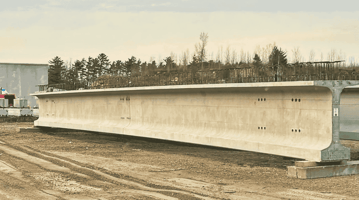
In precast production, time really is money. The faster you can safely strip forms, move product...
One of the most critical—and risk-sensitive—decisions on any concrete project is when to remove formwork. Removing forms too early can result in cracking, deformation, or long-term structural issues. But waiting too long can delay schedules, reduce labor efficiency, and increase project costs.
This article explains when it’s the right time to remove concrete forms, why concrete strength (and not time) governs the decision, and how strength-based verification supports safer, more efficient construction practices.
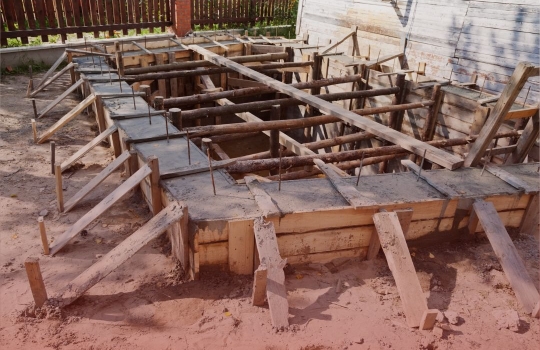
Why Concrete Formwork Removal Timing Matters
Formwork supports freshly placed concrete while it gains sufficient strength to:
- Carry its own weight
- Maintain dimensional stability
- Resist early-age cracking, deflection, or surface damage
Unlike finishing or curing decisions, formwork removal directly affects structural performance. For this reason, specifications and engineering guidance typically reference minimum strength thresholds–not simply elapsed time – when defining formwork stripping requirements.
Time vs. Strength: A Common Misunderstanding
A persistent misconception in concrete construction is that formwork can be removed after a fixed number of hours or days. But in practice, formwork removal time varies significantly from project to project. Strength gain is influenced by a number of factors including temperature, mix design, curing, and placement conditions. So even two pours of the same design mix may reach stripping strength at different times.
Because of this variability, calendar age alone is not a reliable indicator of readiness. Concrete strength at the time of stripping is the controlling factor.
Typical Strength Guidelines for Formwork Removal
While exact requirements depend on specifications, structural design, and engineer-of-record direction, the following ranges are commonly referenced in practice.
Vertical Forms (walls, columns, piers)
- Often removed once concrete reaches approximately 500–1,000 psi
- The concrete must be strong enough to:
- Hold its shape
- Resist surface damage during stripping
Vertical forms are typically removed earlier. This is because the concrete is no longer load-bearing once forms are stripped.
Horizontal Forms (slabs, beams, decks)
- Require significantly higher strength before removal
- Partial stripping may occur at 50–70% of design strength
- Full removal depends on:
- Span length
- Load conditions
- Shoring and reshoring strategy
Because horizontal elements rely on formwork for structural support, premature removal can result in permanent deflection, cracking, or loss of serviceability.
Key Factors That Influence Stripping Time
1. Concrete Mix Design
- Cement type and content
- Water-to-cement ratio
- Use of accelerators or supplementary cementitious materials
The concrete mix composition is a major determiner of its strength development. Also keep in mind that some mixes are designed for rapid early-age strength gain, while others prioritize long-term durability.
2. Temperature and Weather
- Warm temperatures accelerate hydration
- Cold temperatures slow strength development and extend stripping time
- Wind and low humidity can negatively affect curing quality
The weather can have a notable impact on early strength development, long-term compressive strength, and timing for formwork removal.
3. Curing Practices
- Wet curing, curing compounds, insulated blankets, or enclosures
- Inadequate curing can permanently reduce early and ultimate strength
4. Structural Design and Support Conditions
- Span length and geometry
- Load paths
- Shoring and reshoring requirements
Structural engineers often specify minimum strength requirements for formwork removal to ensure safety and long-term performance.
Risks of Time-Based Stripping Rules
Age-based rules such as “strip after three days” assume:
- Favorable temperatures
- Consistent materials
- Proper curing conditions
But when those assumptions are not all met, time-based decisions can result in:
- Early stripping before adequate strength is achieved
- Overly conservative delays that reduce productivity
- Increased risk of damage, rework, or disputes
For these reasons, many projects are shifting toward strength-verified stripping decisions rather than fixed timelines.
Strength-Based Verification for Formwork Removal Decisions
Advances in concrete monitoring allow teams to evaluate in-place strength development directly, rather than relying on assumptions. Strength-based verification supports:
- Confirmation that stripping thresholds have been met
- Alignment with specification and safety requirements
- Clear documentation of decision timing
By tying formwork removal to verified performance, teams can reduce uncertainty while maintaining appropriate safety margins.
Key Steps for Successful Concrete Formwork Removal
Once it’s been confirmed that the concrete has reached adequate strength and was properly cured, the forms can be removed. During this process, forms should be loosened and removed carefully to avoid surface damage or cracking. Afterward, a timely inspection can help catch and correct minor defects before they become long-term issues, protecting both structural performance and appearance.
-
Pre-removal verification: Confirm in-place concrete strength using visual checks for small projects or verified testing methods for commercial and critical structures.
-
Careful removal sequence: Remove supports and fasteners gradually, following proper sequencing to avoid stressing partially cured concrete.
-
Post-removal inspection: Inspect surfaces immediately for defects, alignment issues, or finish problems and address them promptly.
Implications for In-Place Strength Monitoring
Formwork removal decisions sit at the intersection of structural safety, QA/QC compliance, and schedule control. When strength development varies due to weather, materials, or curing conditions, direct insight into in-place behavior becomes increasingly valuable.
Technologies such as Wavelogix REBEL® sensors are designed to provide continuous visibility into concrete performance under actual field conditions. Used appropriately, this type of data can support strength-based stripping decisions, improve documentation, and help teams align construction activities with verified material behavior.
Teams interested in reducing uncertainty around formwork removal may benefit from understanding how in-place strength data can complement existing QA/QC workflows.
Frequently Asked Questions
When is concrete strong enough to remove forms?
When it has reached the minimum strength required to safely support itself and any applied loads. This threshold varies by application and structural design.
Is early form removal always risky?
No. Vertical forms are often removed early once sufficient strength is achieved. Horizontal and load-bearing elements require greater caution.
Does the 28-day strength matter for formwork removal?
The 28-day benchmark is a design reference. Formwork is typically removed well before 28 days once early-age strength requirements are met.
Can formwork be removed based on appearance?
No. Surface appearance does not reliably indicate internal strength or readiness.
What happens if forms are removed too early?
Potential outcomes include cracking, deformation, reduced durability, and in some cases permanent structural issues.
Why do specifications emphasize strength rather than time?
Because strength directly relates to structural performance, while time alone does not account for variability in curing conditions.
Related Reading
How Long Does Concrete Take to Dry?
Provides foundational context on curing versus drying and why time-based assumptions create risk.